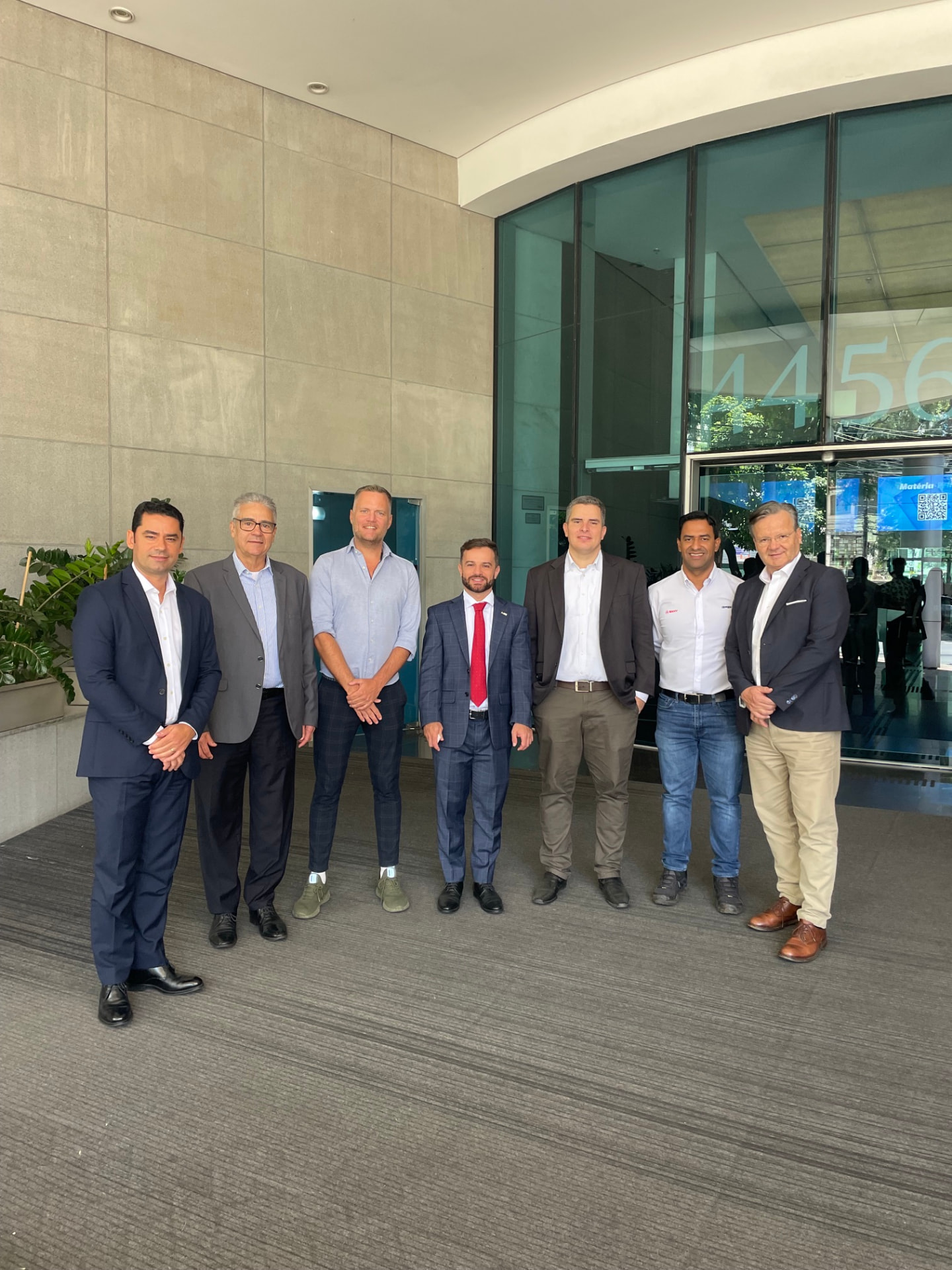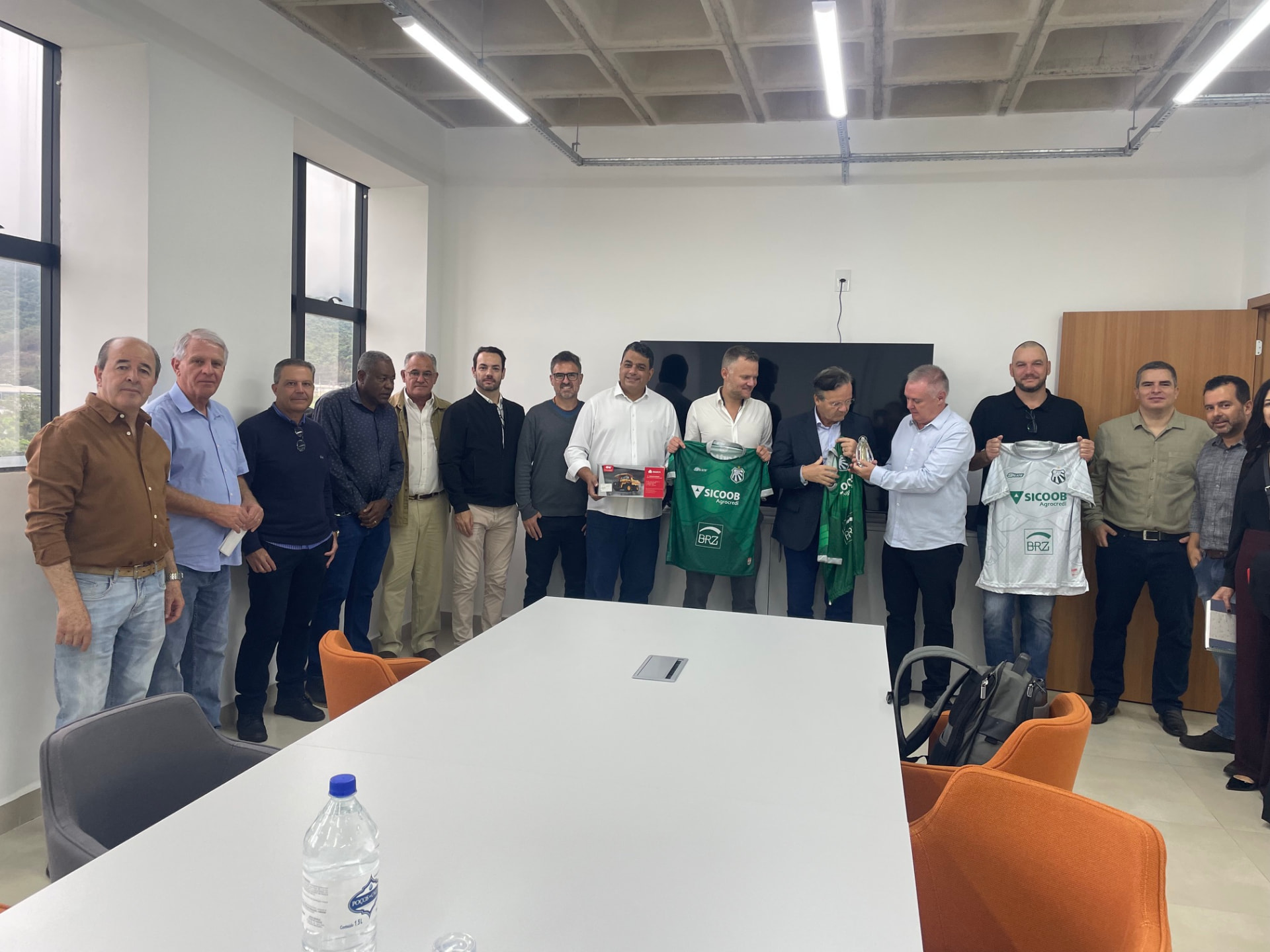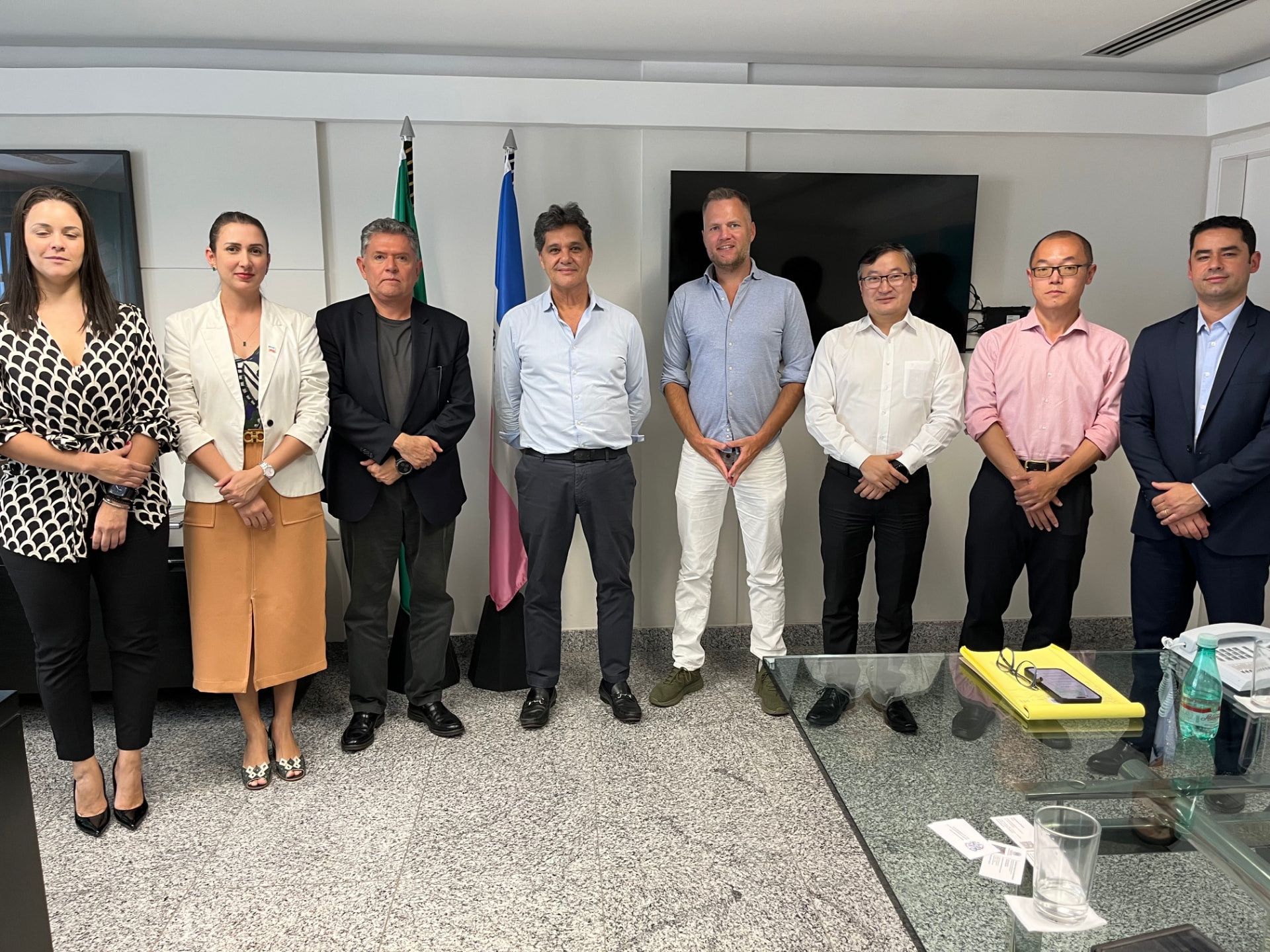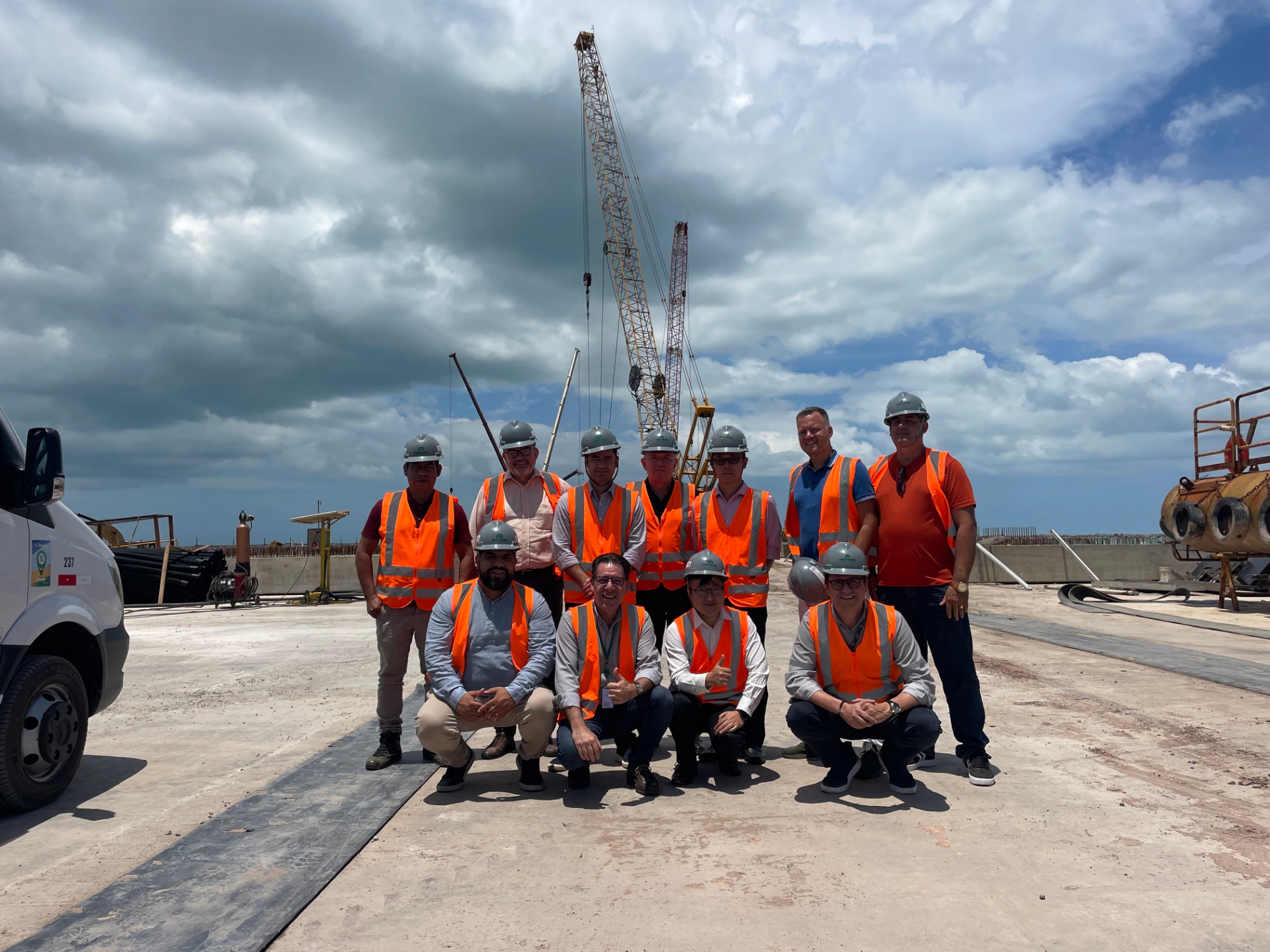
🇧🇷Brazil — business is personal.And football comes first.
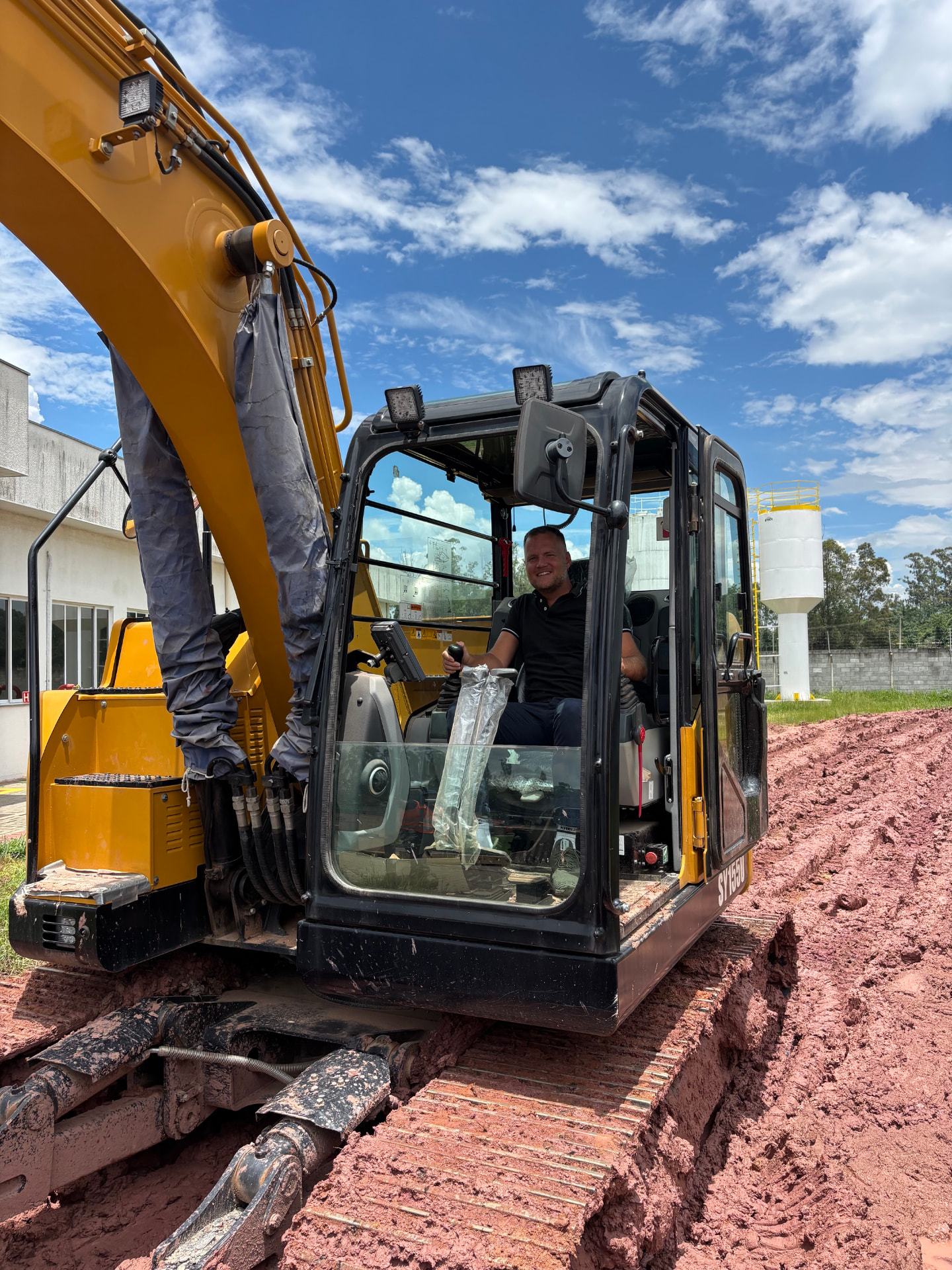
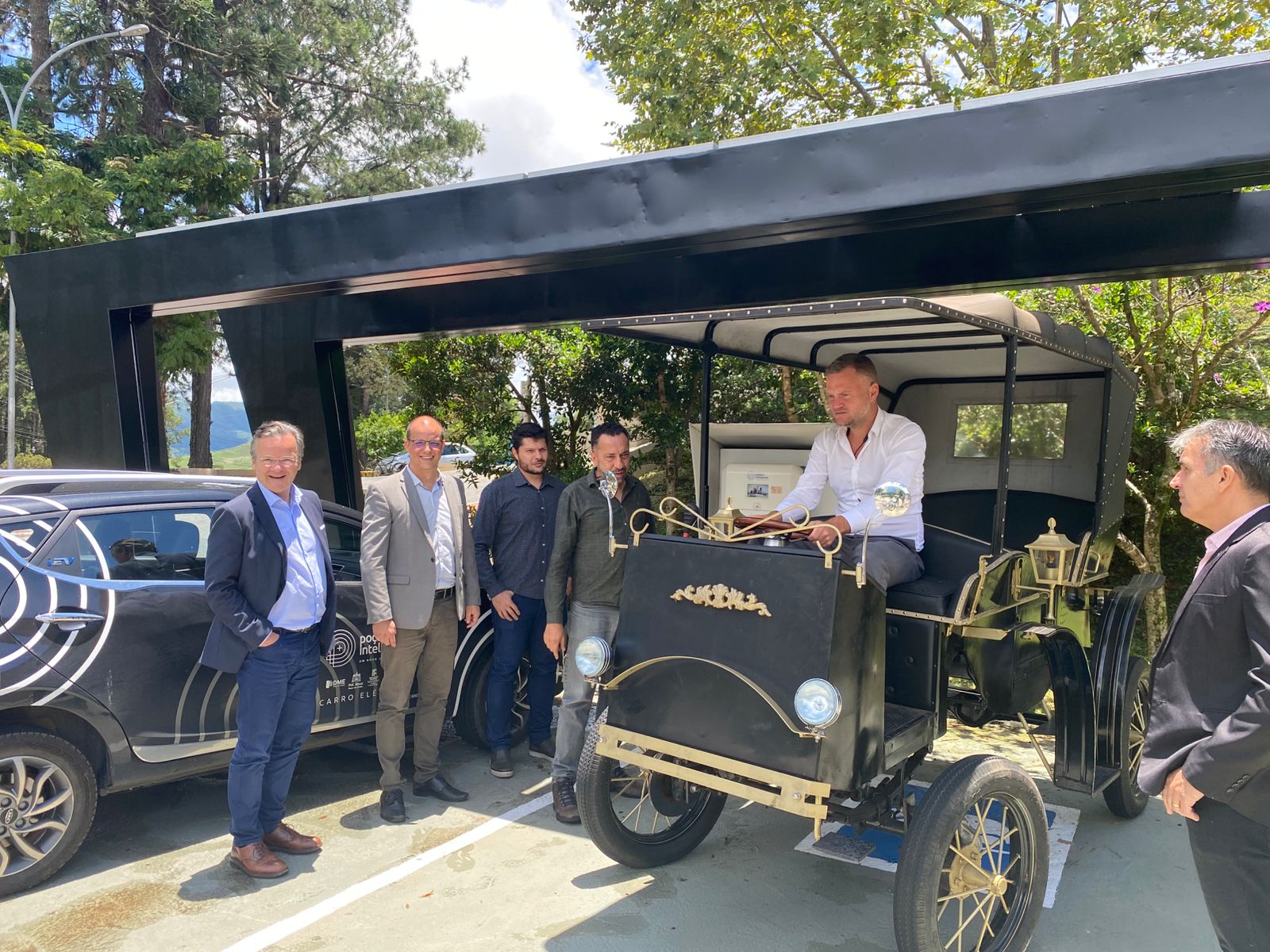
18 months on the ground in Brazil taught me that you cannot understand this country from a spreadsheet, a market report or a week of meetings in São Paulo. You have to live it. And if you want to do business in Brazil, there is one thing you should probably learn before discussing strategy, margins or market share: football.
Not necessarily how to play it — but how to talk about it. Corinthians or Palmeiras? Flamengo or Fluminense? Neymar, Vinícius Jr. or the eternal question of Pelé versus everyone who came after him? Football is one of the easiest ways into a conversation. Before business comes the person. Before the PowerPoint comes the papo. And quite often, before both comes coffee.
Coffee, pão de queijo — and time to talk
Brazil taught me to appreciate the small rituals around business. A cafezinho. A warm pão de queijo. Five or ten minutes talking about football, family, where you come from or where you travelled last weekend.
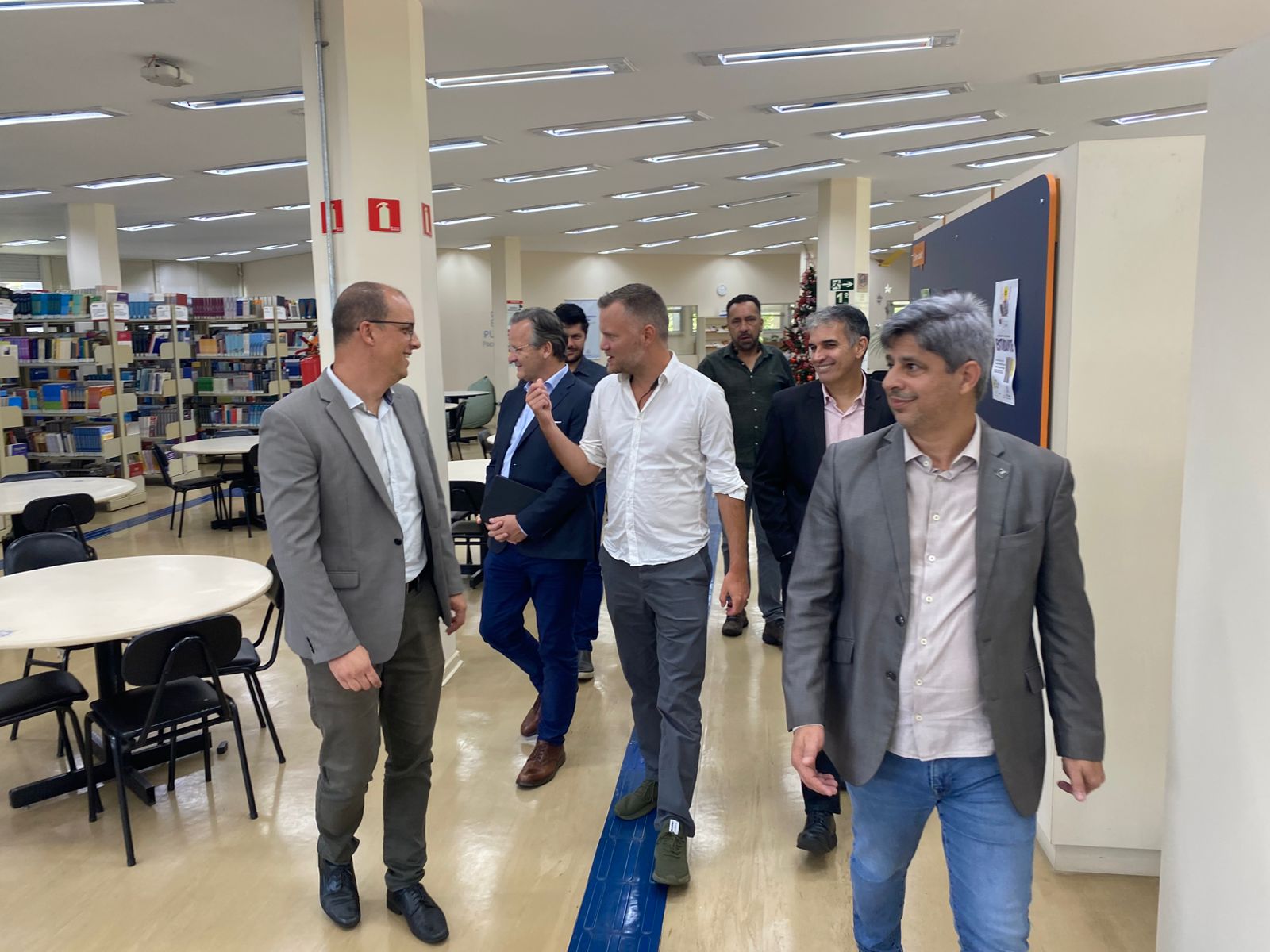
In Germany, we often try to separate the professional from the personal. We arrive, sit down and get to the agenda. Brazil doesn’t really work like that. There is almost no business without a social relationship. You need to know people — and people need to know you.
That doesn’t mean contracts, numbers and performance don’t matter. They absolutely do. But trust often starts somewhere else. Business is done with a handshake, a conversation and, very often, a smile. Relationships aren’t something that happens around the business. They are part of the business.
Then comes the reality
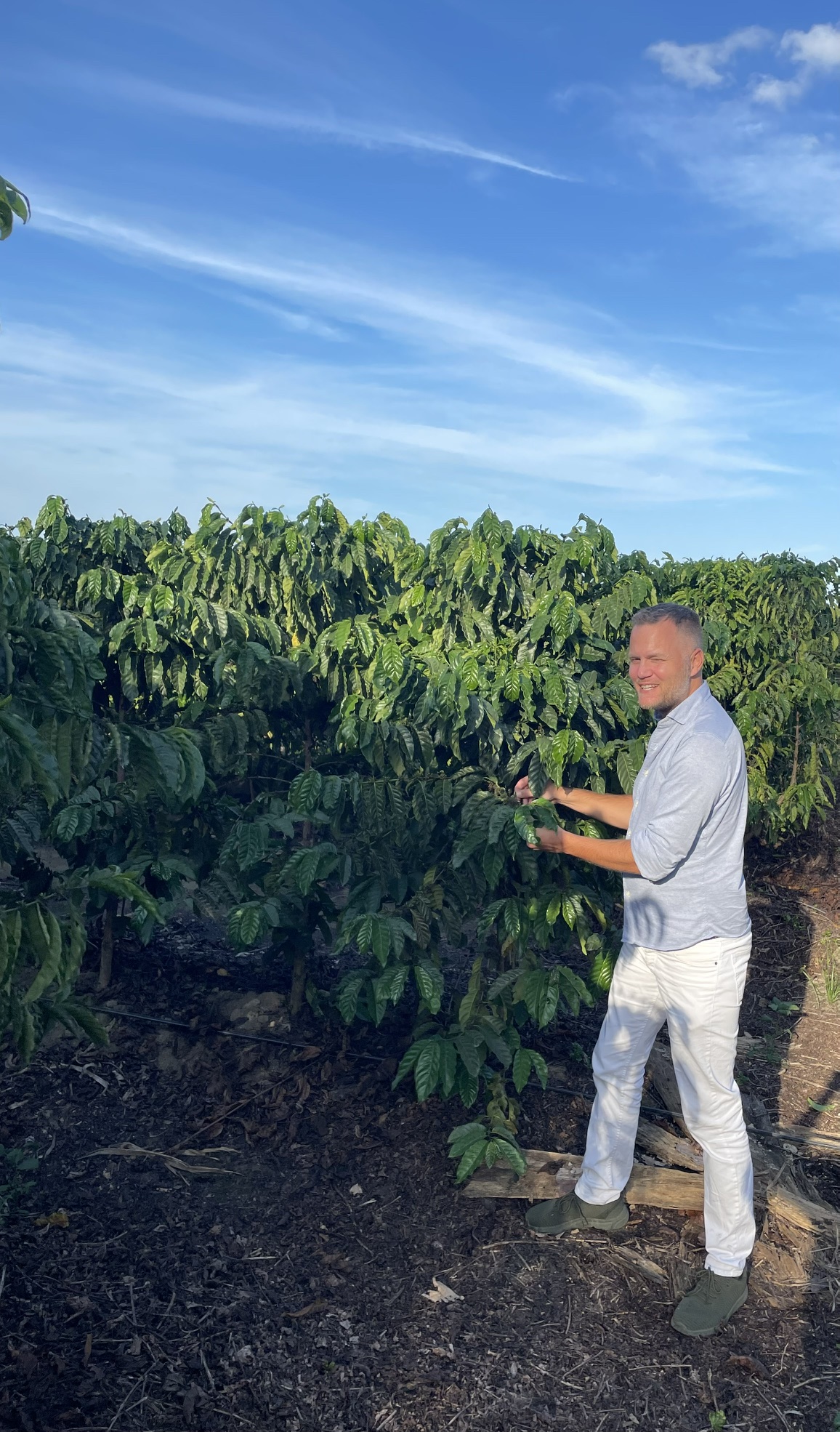
Once the coffee is finished, Brazil becomes more complicated. It is one of the world’s largest economies and an agricultural powerhouse, with enormous domestic demand, natural resources and industrial capabilities. But operating there can test your patience.
Bureaucracy is everywhere. Processes that look simple from Europe can suddenly involve another document, another approval, another person who needs to be called. Digital transformation is uneven: Brazil has some remarkably advanced digital services and a world-class fintech ecosystem, while parts of traditional industry still rely heavily on manual processes, paper and legacy systems.
Infrastructure is another contradiction. Brazil thinks big — ports, airports, highways, factories, mines and agricultural operations on a scale that can be difficult to imagine from Europe. At the same time, narrow roads, overloaded highways and logistics bottlenecks are part of everyday business. And somehow, it gets done.
A different attitude toward growth
One difference from Europe stayed with me: Brazil still wants to grow. There is much less embarrassment about wanting more infrastructure, more factories, more jobs and greater prosperity. Sustainability matters, but when economic development and environmental ambitions collide, improving people’s living standards often comes first.
That creates tensions. But it also creates an energy that I sometimes miss in Europe. There is a willingness to build. A willingness to try. And a surprisingly strong belief that tomorrow can be better than today. During my time there, I repeatedly encountered political frustration, bureaucracy, security concerns and economic uncertainty. Yet the people I met were often remarkably positive about Brazil’s future.
What Brazil taught me
Brazil can be frustrating if you try to force European structures onto it. Planning can be difficult. Consistency can be difficult. Informality and bureaucracy somehow manage to exist at the same time. But Brazil rewards something else: patience, relationships, creativity, presence.
You need to be there. You need to understand who actually makes things happen. You need to accept that sometimes the WhatsApp message gets you further than the formal process. And you need to understand that enjoying life isn’t considered an obstacle to doing business.
After 1.5 years, perhaps that is what stayed with me most. Brazil has plenty of problems. Brazilians know them better than any foreigner ever will. But they still smile. They still build. And they still believe in what comes next. Preferably after one more cafezinho.
Obrigado, Brasil. 🇧🇷